
In the Kingdom
of Fools
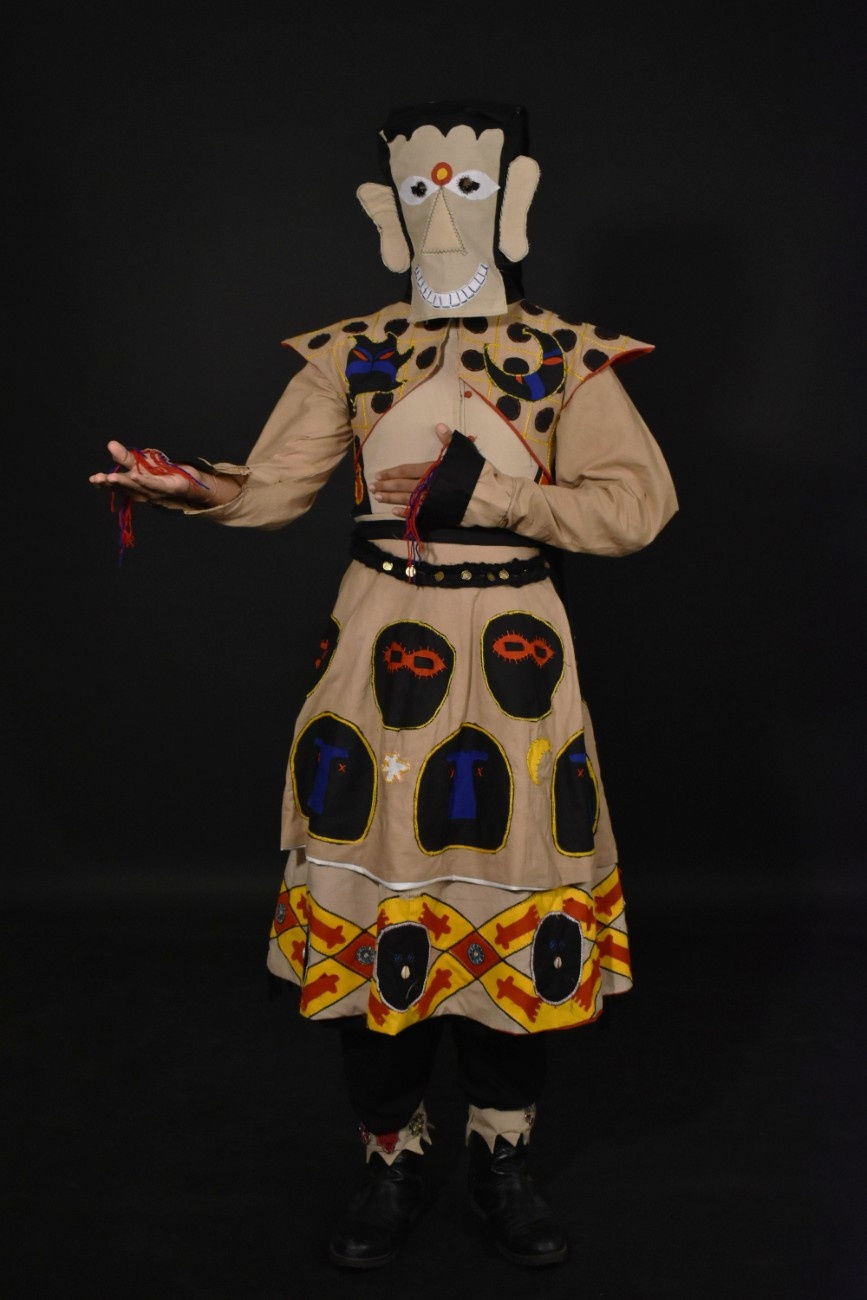
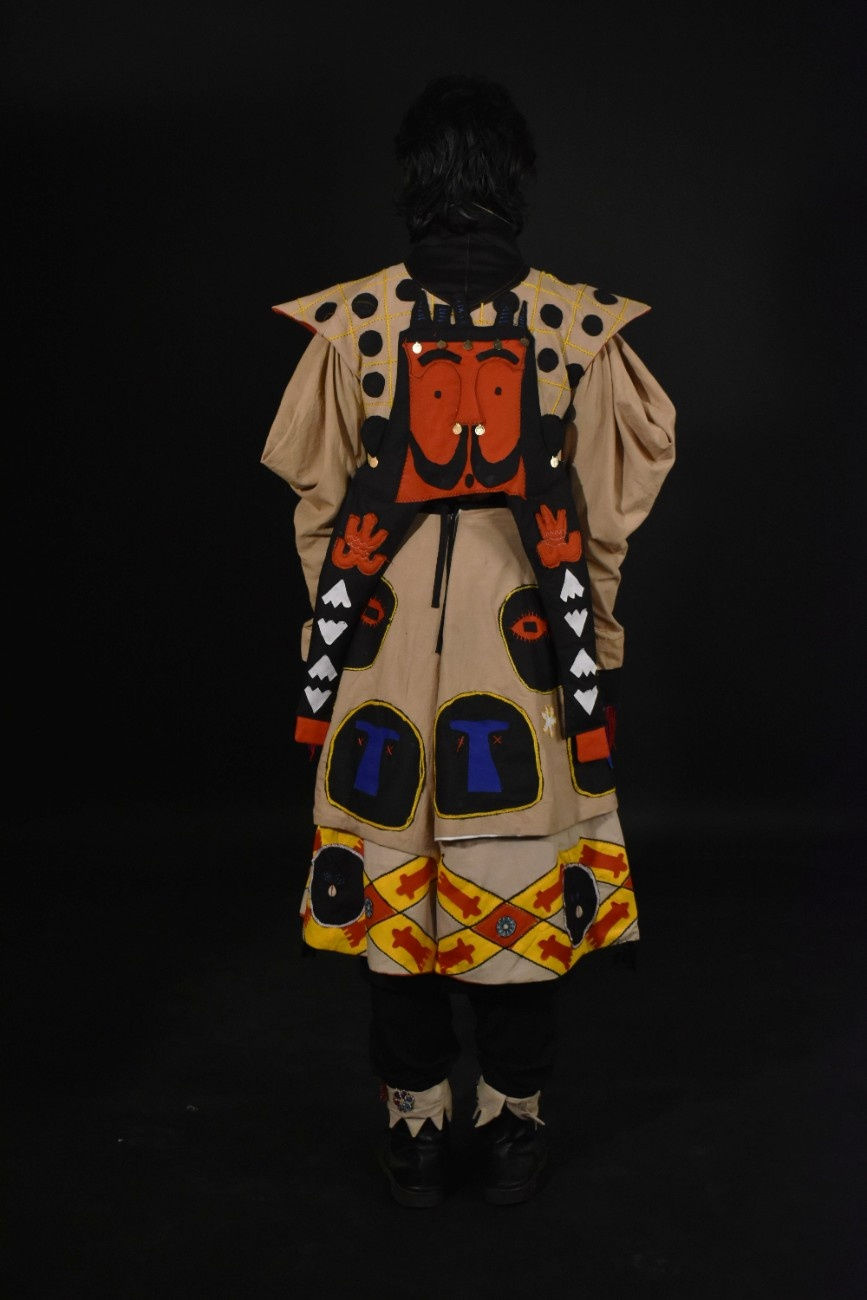
Through this project, an attempt is made to enrich the joy of the oral culture around folktales. This is done through the creation of a costume with several masks, enabling various permutations of tale-telling for the tale in focus, or even others, with no prerequisite for age or literacy. Approach: Costumes have been an integral part of storytelling in Indian folk culture. Aiding various performing art forms like Chhau, Jungle Rabha, Gomira, Yakshagana and more, these masked costumes help embodying character, inserting humour and exaggeration. This is taken as a major point of reference. The folktale ‘Kingdom of Foolishness’ by AK Ramanujan, which has several versions across India, has been taken as the focus.


Timeline : 12 weeks (2022)
Scope of Project : Undergraduate Thesis
Medium: Costume Design
Mentor: Vijay Punia
Slide to view! →


Aspects
Researched:
Visits were made to anthropological museums in Bhopal, India, where I was able to study elements and symbolism, costumes and materiality in folk culture.
Around 100 folktales were read to deconstruct their creation of absurdity with self-awareness. They enable us to find humour in the randomness of the universe.
From the folktales read, tools of humour were analysed against Susan Stewart’s ‘Nonsense and Intertextuality’, including -Satire, Irony, Randomness, Exaggeration, Misdirection and Anthropomorphism.
Absurd humour within media, art and fiction was also studied to further understand its use in folktales.





Visits were made to anthropological museums in Bhopal, India, where I was able to study elements and symbolism, costumes and materiality in folk culture.
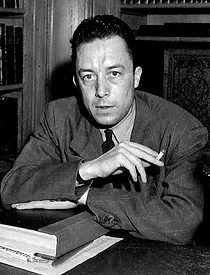
The philosophy of Absurdism by Albert Camus was the guiding principle in approaching the depiction and choice of folktale.


Motif development and points for inspiration from traditional masks and costuming in the global south.
Process and components: slide to view! →
Mask development through paper and making by hand. Neutral beiges are used as the base for the overall layers of the costume in various shades, enabling the motifs and symbols to stand out.


_edited.jpg)


'The Jeweller'
_edited.jpg)
'The Dancer'


'The King Jacket' (back)
'The Minister'
'The Merchant'
'The Disciple'
'The Bricklayer'
'The Guru'
This costume attempts at enabling any person to retell the tale as a performance, aided by masks of various kinds. There is an element of modularity and intertextuality that can be generated through the masks. There are 6 masks representing 7 characters, and the main character of the king at the back, since he is a recurring character. All 6 masks can be tied around the waist with velcro attatchments.
Demo Performance
of The Tale →


Talent: Anirudha Ghosh


